Don’t be a costumed loon
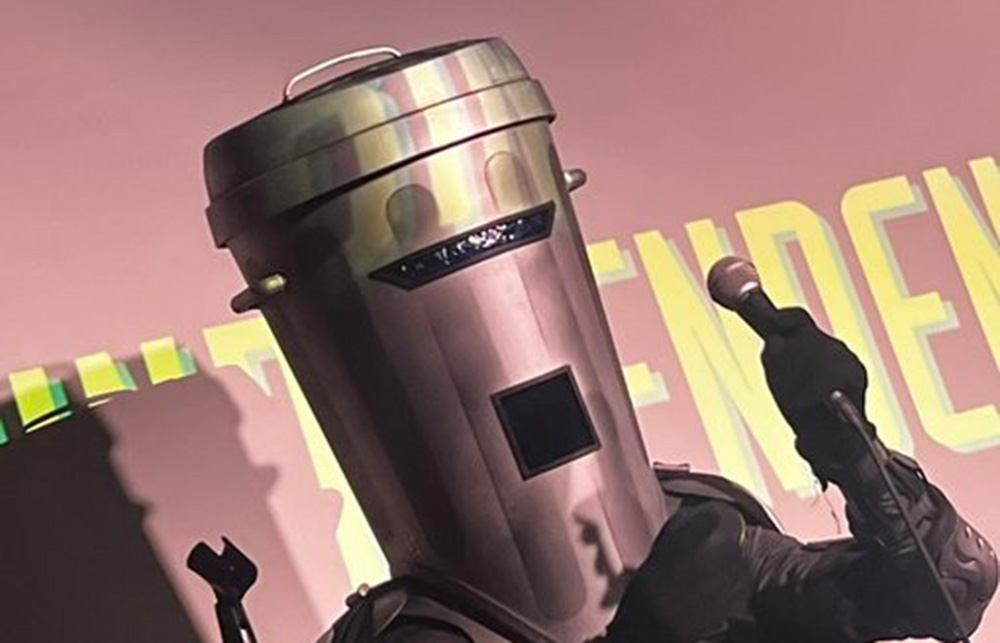

It’s trivially easy to stand for Parliament in the UK. Any loon can do so. You need ten electors to nominate you and £500 for a deposit – and it’s actually been getting easier. The deposit was introduced in 1918 (£150 – quite a lot of money then). Before that, since the 1832 Reform Act, in fact, discouragement was provided by having to pay the expenses of the returning officer1 (and before that you needed to be a landowner obvs).
Since the 18th Century various reforms have made it easier to get onto the ballot but – let’s be real, prospective candidate – you’re still going to need the patronage of a party machine to get onto the green benches. Sorry.
Even in the five-party system (seven? Nine?) we seem to have lashed-up for ourselves, an individual from outside a major party won’t actually be elected2 (and will always lose that precautionary deposit). The theatre of the outsider that enlivens every by-election – the band of costumed loons at the count – is the end-point of the process for these pretenders (see ya next time!). A vote for one of the loons can never be more than a gesture – it’s essentially a spoilt ballot.
So it’s important not to idealise the oddballs – the square pegs of the constitutional settlement. This candidacy system wasn’t designed to bring forward eccentrics and independents or to make it easier to challenge the incumbents. Count Binface is not quaint evidence of British tolerance or the robustness of our democracy or anything to do with Burke’s little platoons. Seriously, don’t flatter him. It’s a freedom of sorts to be able to put on a costume and ridicule the politicians but really a pretty thin, pretend freedom whose purpose is literally to impede change, to clog the democratic pipeline with saddos and crazies.
I don’t want to sound too cynical – I’m enjoying the Binface moment as much as everyone else – and especially the way he’s winding some idiots up – but we mustn’t get over-excited. If we mis-read these antique loopholes as evidence of the maturity or even the superiority of the British system or of its fitness for the post-democratic whatever-crisis, we risk looking a bit costumed loon ourselves. Don’t be a costumed loon.
- Everyone laughed when Farage proposed paying the returning officer’s expenses for his stunt by-election, of course. ↩︎
- There are currently 13 independent MPs in the UK Parliament – a high water mark – and several of those are there because they were kicked out of one of the big parties. ↩︎
Leave a Reply